Experienced Paediatric Physiotherapy to Support:
TORTICOLLIS, HEAD SHAPE, AND BODY TENSION
TORTICOLLIS, HEAD SHAPE, AND BODY TENSION
TORTICOLLIS, HEAD SHAPE, AND BODY TENSION

Does your baby prefer to look in one direction over the other? This is often termed "torticollis" but tension in the body is often the culprit, not a tight neck muscle.
As baby’s heads are very soft and malleable, when they spend too much time on one side or in one position, they can develop a flat spot on their head, called plagiocephaly (flat on one side) or brachycephaly (central flattening).
Addressing the underlying cause (including tension in their body, not just their neck), and implementing positioning strategies, we can help to re-mould their head and ensure they develop their posture and motor skills with symmetry.
Signs that your baby could benefit from paediatric physiotherapy assessment and treatment:
- One side of baby's body looks tighter than the other, creating a "C" shape curve through their body when you lie them on their back.
- Does your baby seem uncomfortable in their own body? Hate tummy time?
- Has your baby mastered a new skill, but only on one side/in one direction (e.g. rolling?)
Tension in the body can contribute to discomfort and difficulty with motor skills, like rolling and tummy time. We will assess and treat the WHOLE baby to ensure they develop with ease and symmetry in all their skills.
ORAL TIES
TORTICOLLIS, HEAD SHAPE, AND BODY TENSION
TORTICOLLIS, HEAD SHAPE, AND BODY TENSION

Does your baby have a tongue tie, lip tie or cheek ties? Did you know that manual therapy or "bodywork" can help BEFORE AND AFTER you do a release?
Improving mouth/neck/body tension and oral function (ie suck training) BEFORE a release can help make the procedure easier for the provider and set baby up for improved outcomes. Therapy AFTER can also help your baby maximize their new mobility and function.
The tongue and mouth are also connected to the whole body. We take a “whole body” approach to treating tension and ties, and will provide a comprehensive assessment of tension, posture, and gross motor skills to ensure we are treating the whole baby, and not just their tongue.
INFANT FEEDING SUPPORT
TORTICOLLIS, HEAD SHAPE, AND BODY TENSION

Feeding (breast, chest, bottle) is one of baby’s first motor skills. Tension through the body, neck, face and mouth, can impact a baby’s ability to effectively feed. Paediatric Physiotherapy can help!
Common signs that tension and/or poor suck mechanics can be impacting feeding include:
- Shallow and/or painful latch
- Fussiness at the breast or bottle
- Difficulty feeding from on one side
- Clicking when feeding
- Blisters on the lips or a white film on the tongue after feeding
- Very slow to feed
- Excessive gassiness or spit up
- Slow weight gain
Halton Infant Physio can help with feeding with:
- Gentle manual treatment, or "body work" to address fascial tension
- coaching and positioning for effective latch
- Suck training and oral exercise to improve the strength and "athleticism" of the tongue
We work together with community partners, such as lactation consultants and physicians, to provide holistic and comprehensive support.
GROSS MOTOR DEVELOPMENT
REFLUX, GASSINESS, UNCOMFORTABLE BABY
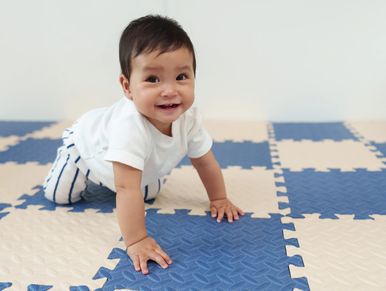
Infant development is one of our passions! We know that very baby is unique, and there is a range of "typical development", with general guidelines at which age we expect to see a skill develop.
We also know that developmental milestones can be stressful for some parents. We aim to help "demystify" milestones and provide simple and easy play-based strategies to empower you to be your infant's development coach.
Some factors that may influence motor development:
- body tension or postural asymmetry (e.g torticollis)
- illness or underlying medical condition
- muscle tone (hypo or hypertonia)
- temperament
- opportunity to move and explore
Whether you are concerned about a particularly milestone, or whether you are simply curious about milestones, Halton Infant Physic can help!
We can provide a comprehensive assessment of your baby’s development and offer developmental play strategies to help continue to promote their development.
REFLUX, GASSINESS, UNCOMFORTABLE BABY
REFLUX, GASSINESS, UNCOMFORTABLE BABY
REFLUX, GASSINESS, UNCOMFORTABLE BABY

FUSSY BABY? Halton Infant Physio!
Does your baby seem uncomfortable in their own body? Hate tummy time? We often think of these issues as "normal", but just because they're COMMON, doesn't mean they're normal. Decreasing tension throughout the body can help make your baby feel more comfortable and more settled.
An experienced paediatric physiotherapist can look at the whole picture; infant tension and posture, nervous system regulation, infant feeding, and developmental milestones, to establish a comprehensive plan to help your baby feel comfortable and thrive.
QUESTIONS?
REFLUX, GASSINESS, UNCOMFORTABLE BABY
REFLUX, GASSINESS, UNCOMFORTABLE BABY

Questions about your infant's feeding and development?
Questions about how a paediatric physiotherapy can help your baby?
Please contact us! We are happy to chat and answer any questions.
You do not need a medical referral to access physiotherapy services.
Halton Infant Physio: providing in-home experienced paediatric physiotherapy in Burlington, Oakville, Milton, and surrounding areas.

Exciting News!
Maggie is excited to be offering IN-CLINIC visits in Burlington on Fridays!
To learn more or schedule a visit contact us at info@haltoninfantphysio.ca